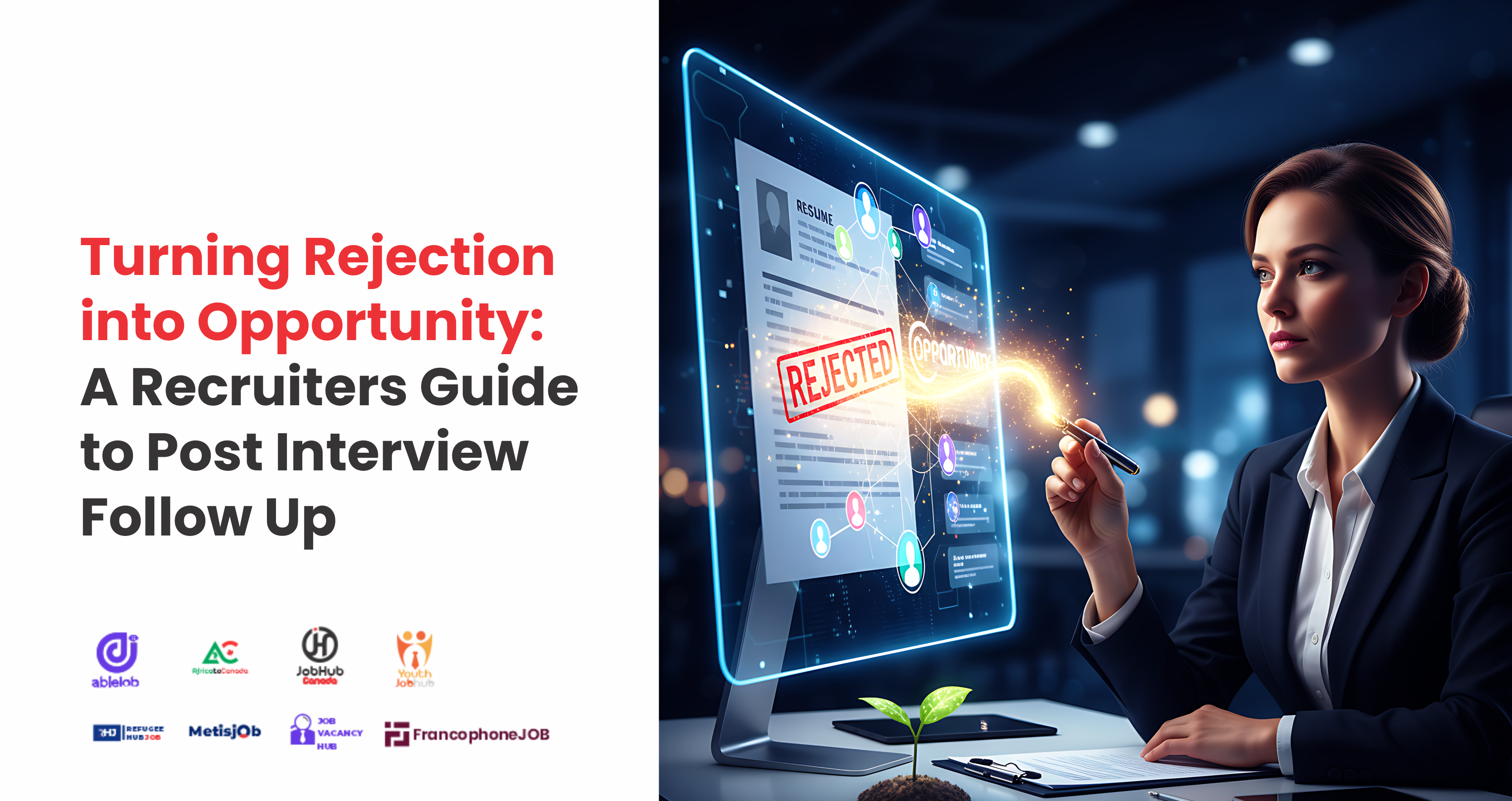
The hiring process is often viewed as a race, but the finish line isn't the offer; it's the moment the successful candidate accepts and, crucially, the moment the unsuccessful candidates are informed. For recruiters, delivering bad news is the most delicate part of the job, yet it holds the greatest potential for strategic value.
A poorly handled rejection can instantly sour a candidate’s experience, turning an enthusiastic advocate into a vocal detractor—damaging your employer brand and your future hiring prospects. Conversely, a professional, human-centred follow-up turns rejection into opportunity, preserving your talent pipeline and strengthening your reputation.
Here is a guide to transforming a difficult conversation into a strategic investment.
1. The Urgency of Closure: Respecting Their Time
First impressions are important, but final impressions are lasting. Once the final decision is made, speed and clarity are paramount. Candidates invest significant time and emotional energy into an interview process; leaving them in limbo shows a lack of respect.
- Communicate Fast: Aim to deliver the decision within the timeframe you promised, ideally no more than 48 hours after the successful candidate has formally accepted.
- Choose the Right Medium: While the initial screening rejection can be automated, a final-round rejection, especially for a key role, should be handled with a personal call or a personalised email. This demonstrates accountability and respect for their time and effort.
2. The Power of "The Why": Delivering Constructive Feedback
The true opportunity in rejection lies in providing constructive, honest feedback. Candidates want to know why they were not chosen, not just that they were rejected. This transparency converts disappointment into personal development.
Best Practices for Feedback:
- Focus on Fit, Not Flaw: Frame the rejection around the chosen candidate's specific alignment with the role's needs, rather than listing the silver medallist's shortcomings. For example: "The successful candidate had slightly deeper experience in the specific Python framework required for this project."
- Keep it Actionable and Safe: When providing direct feedback, stick to concrete, non-discriminatory, and defensible observations related to the job requirements (e.g., "We felt the presentation lacked a strategic focus on budgeting"). Never share internal notes or feedback that could be misconstrued or legally problematic.
- Listen: A rejection call is an opportunity to hear genuine, unvarnished feedback about your interview process itself. Listen to their questions and concerns. This feedback loop is invaluable for improving your future hiring cycles.
3. The Talent Pipeline Bridge: Inviting Them Back
For many organizations, the candidate who came in second place—the "silver medalist"—was a fantastic fit who simply lacked one minor component. This person is already vetted, interested in your company, and represents a high-quality talent pool that should not be wasted.
A personalized rejection follow-up is the perfect time to build a bridge to future opportunities:
- The Invitation: Actively invite them to stay connected. Mention that you would like to keep their profile on file for future roles that better match their unique strengths.
- The Talent Community: Direct them to your talent network or internal job alerts. Explicitly mention that you will personally be keeping an eye out for a role that aligns with their specific background.
- The Future Vision: Let them know this "no" is for this role at this time, not a never. This ensures that when they reach out in six months with new skills or experience, they feel welcome and encouraged to reapply.
By viewing the post-interview rejection as the final, critical step in the hiring process—a chance to invest in your employer brand and nurture your future talent pipeline—recruiters can turn disappointment into a powerful strategic asset.